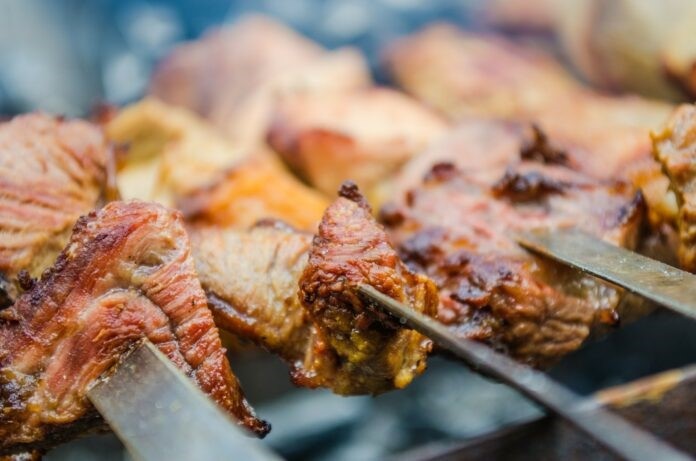
If you’ve never stood on a dimly lit corner, heart racing as you try to shout louder than ten other hungry customers just to get your suya “with pepper, but not too much o!”—then I hate to break it to you: You haven’t lived.
Street food in Nigeria isn’t just food. It’s theatre. It’s chaos. It’s survival. And somehow, in the madness, it tastes like home.
I remember my first real street food moment. I was in a wrinkled tee, no makeup, dragging slippers—and I made the mistake of ordering boli and groundnut with a posh accent. The woman selling it squinted at me and said, “You want amala inside too?”
Rule number one: Blend in or be humbled
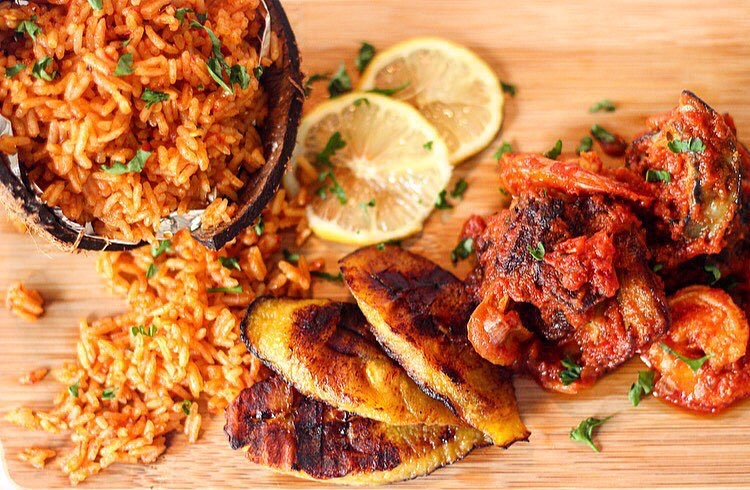
From smoky roadside jollof with the sting of metal spoons, to akara fried on rusted pans that have seen decades, street food runs on trust and tension. No one tells you, but there are unwritten rules:
• Don’t rush a suya man. That peppered meat takes time. Try to hurry him and your portion will mysteriously shrink.
• Learn to hold your plate midair. Tables are a myth.
• Cash only. Unless you want your shawarma and dignity confiscated at once.
But beneath the hustle, something sacred brews in those oil-stained corners. You see people from all walks of life—builders, bankers, bus drivers—bonding over roasted corn or amala. No pretense, no plating aesthetics, just flavor and fire.
And maybe that’s the magic. Because in a world that demands polish and perfection, Nigerian street food is unapologetically real.